
How to Prepare Your House for Demolition in Australia
Check how to prepare your house for demolition in Australia, including approvals, utilities, asbestos, furniture, neighbours and site preparation
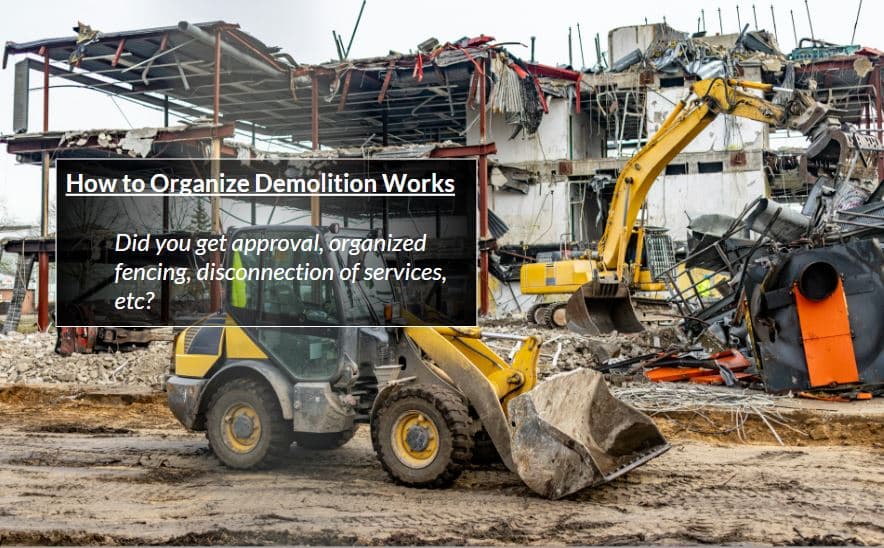
Demolishing your house - Getting a demolition quote is an important first step. Once you have chosen a contractor, there are things you need to do before demolition begins. Preparing your house can help avoid delays, extra costs and problems with neighbours.
House demolition involves more than knocking down a building. You may need council approvals, utility disconnections, furniture removal and other work.
This guide explains how to prepare your house for demolition. What to check before accepting a demolition quote.
1. Get a Demolition Quote
Before starting any work, get a demolition quote from a suitable contractor.
A demolition quote should explain what work is included, what is excluded and what may cost extra. It should also make clear who is handling the preparing of the property.
When requesting a demolition quote, provide details about:
-
Property address and location
-
House size and number of storeys
-
Construction type
-
Garage, shed or carport
-
Swimming pool and concrete areas
-
Site access
-
Known asbestos
-
Other structures to be removed
-
Your preferred demolition date
Try to get more than one demolition quote so you can compare prices and the work included. Check whether the demolition quote includes waste removal, disposal fees, and site clean-up.
Do not choose a contractor based on price alone. Make sure you understand what you are paying for before the work begins.
2. Check Council Approvals and Permits
Before demolishing your house, check which approvals are required for your property.
Depending on your location and the type of building, you may need some approvals. They are development aproval, a complying development certificate or other permits.
Requirements can vary between states, territories and local councils.
Before planning a knockdown rebuild, check whether you need approval for new house. Check whethere you need seperate approval for demolition of the existing property.
Ask your demolition contractor who will arrange the required approvals and notifications. Some contractors may manage parts of the process. While other tasks may be of your responsibility.
Keep copies of all approvals and important documents. For more information, visit the NSW Planning Portal – Demolition.
3. Disconnect Electricity, Gas and Water
One of the most important steps before demolition is arranging disconnection of services.
Services that may need to be disconnected include:
-
Electricity
-
Gas
-
Water
-
Sewer
-
Internet and telecommunications
-
Other underground services
Contact the relevant service providers early, as disconnections may take time to arrange.
Use licensed professionals where required. Do not attempt to disconnect electrical or gas services yourself.
Ask your demolition contractor which services need to be disconnected. And who will arrange the work.
Make sure the services are properly disconnected or made safe before demolition begins.
You should check for underground pipes, cables and others that could be affected by the work.
4. Check for Asbestos
Asbestos is an important issue when preparing an older Australian house for demolition.
It may be found in:
-
Roof sheets
-
Wall cladding
-
Eaves
-
Fencing
-
Garage walls
-
Vinyl floor tiles
-
Other building materials
If your house was built many years ago, arrange for a suitable professional to check for asbestos.
Do not break, cut or remove suspected asbestos materials yourself. Asbestos fibres can be dangerous when released into the air.
If asbestos is found, arrange it to be removed by a suitably qualifiedprofessional.
Ask your contractor whether asbestos inspection. Check whether removal and disposal are included in the quote or charged separately.
You should also ask whether an asbestos clearance certificate will be provided.
For more information, visit Safe Work Australia – Demolition Work.
5. Remove Furniture and Personal Belongings
Before the demolition date, remove all personal belongings from the house.
This includes:
-
Furniture
-
Beds and mattresses
-
Clothes
-
Kitchen items
-
Electrical appliances
-
Documents
-
Photos
-
Tools
-
Personal valuables
Check cupboards, wardrobes, sheds, garages and storage areas carefully.
Do not leave items behind unless the contractor has agreed to remove them.
Some contractors may charge extra to remove furniture, rubbish or household goods. Most of the time that are not part of the demolition work.
If you have valuable timber, bricks, doors or other items you want to keep, discuss this with the contractor before the work starts.
Make sure everything you want to keep is removed safely and before the demolition area becomes restricted.
6. Remove Items You Want to Keep
Some homeowners want to save useful materials before demolition.
These may include:
-
Garden pots
-
Outdoor furniture
-
Gates
-
Bricks
-
Timber
-
Light fittings
-
Door handles
-
Appliances
-
Valuable plants
Tell your contractor what you want to keep before accepting the demolition quote.
Some items may need to be removed by a qualified tradesperson. Electrical fittings, gas appliances and other connected items should be handled safely.
Do not enter the demolition area or remove items once the contractor has started work unless they have confirmed it is safe to do so.
7. Notify Your Neighbours
Demolition can cause noise, dust, truck movements and temporary access problems.
It is a good idea to speak with your neighbours before work begins.
Let them know:
-
When demolition is expected to start
-
How long the work may take
-
Whether trucks will use the street
-
Whether there may be noise or dust
-
Who they can contact if they have concerns
Some approvals may require formal neighbour notification. Check the rules that apply to your property and make sure any required notices are given on time.
Being open with neighbours can help prevent complaints and misunderstandings.
If nearby homes share a driveway or access area, discuss this with your contractor before the demolition date.
8. Prepare the Site for Machinery
Demolition contractors need safe access for excavators, trucks and other machinery.
Before work begins, check the site for:
-
Narrow driveways
-
Low tree branches
-
Overhead power lines
-
Parked vehicles
-
Gates and fences
-
Steep access areas
-
Shared driveways
-
Nearby structures
-
Limited truck turning space
Tell your contractor about any access problems.
Move vehicles and personal items away from the work area. Make sure the contractor knows about any structures, trees or fences that must remain.
Your contractor may need temporary fencing, signs or safety measures before demolition starts.
Do not enter the site once it has been fenced off without permission.
9. Check the Demolition Quote Carefully
Before the demolition date, read your demolition quote again.
Make sure you understand exactly what the contractor will do. And what you need to organise yourself.
Check whether the demolition quote includes:
-
House demolition
-
Garage and shed removal
-
Labour and machinery
-
Waste loading and transport
-
Tip and disposal fees
-
Asbestos removal
-
Concrete slab removal
-
Driveway removal
-
Utility disconnections
-
Site fencing
-
Site clean-up
-
Final site condition
-
GST
Look carefully at exclusions and possible extra costs.
For example, a demolition quote may include the house. But that may exclude the driveway, swimming pool, retaining walls or underground structures.
If you want these items removed, ask the contractor to include them in the quote or provide a separate price.
Get any changes or agreements in writing before work starts.
10. Confirm the Demolition Date
Once approvals and preparations are complete, confirm the start date with your contractor.
Ask the contractor:
-
When will the machinery arrive?
-
How long should the demolition take?
-
When will waste be removed?
-
Who will manage site access?
-
What happens if bad weather causes delays?
-
When will the site be ready for the next stage?
If you are building a new house, make sure the demolition schedule fits with your builder's plans.
Avoid booking other trades until you have a clear idea of when the demolition site will be ready.
11. Understand What Happens After Demolition
Before the work starts, ask what condition the site will be left in.
For example, will the contractor remove the slab, footings, driveway and other structures?
Will the site be cleared of demolition waste? Will it be levelled or left ready for further excavation?
These details are important if you are planning to build a new home.
Do not assume that every demolition quote includes complete site preparation.
Ask for the final site condition to be clearly stated in the quote.
House Demolition Preparation Checklist
Use this checklist to help prepare your property before demolition begins.
-
Demolition quotes received and compared
-
Contractor selected
-
Scope of work confirmed
-
Required approvals obtained
-
Utility disconnections arranged
-
Underground services checked
-
Asbestos inspection completed where required
-
Asbestos removal arranged if needed
-
Furniture and personal belongings removed
-
Items to keep removed safely
-
Neighbours notified where required
-
Site access checked
-
Vehicles moved away from the work area
-
Temporary fencing arranged
-
Waste removal confirmed
-
Concrete and other structures confirmed
-
Demolition date confirmed
-
Final site condition agreed
Get Demolition Quotes Through DemoQuotes
Preparing your house for demolition takes planning. But getting the right contractor can make the process easier.
DemoQuotes allows homeowners to submit their project details online. So suitable demolition contractors can review the job and provide a quote.
When requesting demolition quotes, provide accurate details about your property. Mention site access, buildings and any known hazards. This can help contractors understand the work and prepare a clearer price.
Before accepting a demolition quote, check the inclusions, exclusions, possible extra costs. Mention responsibilities for approvals and utility disconnections.
Final Thoughts
Preparing your house for demolition is important before knockdown, rebuild or redevelopment project.
Arrange approvals early, disconnect utilities safely, check for asbestos. Remove personal belongings and speak with your neighbours before work begins.
Most importantly, make sure your demolition quote clearly explains the work included. Ensure that the condition the site will be left in.
Ready to start your project? Submit your details through DemoQuotes and connect with demolition contractors in Australia.